Designing a Home Extension Around Everyday Life
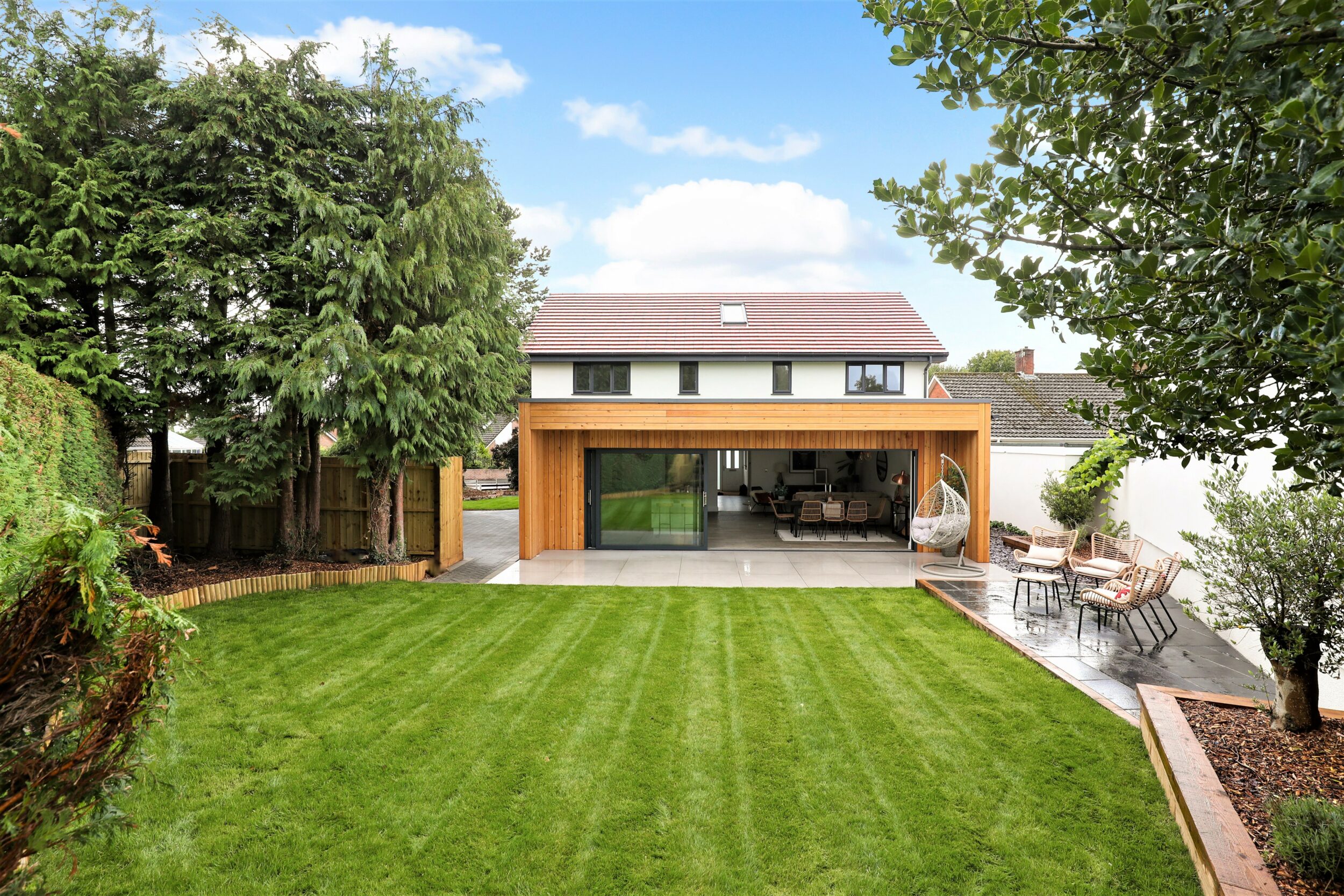
A successful extension is not simply a larger house. It is an opportunity to make the whole home work better: to bring daylight into the right places, connect rooms more naturally and create space that supports everyday life.
Begin with how you live
Before thinking about the shape of an extension, consider what is missing from the existing home. Is the kitchen disconnected from the garden? Does family life converge in a room that feels too small? Is there a quiet place to work? A clear brief describes these experiences rather than starting with a fixed floor area.
Walk through a typical day and note where routines become awkward. Storage, circulation and the relationship between rooms can be just as important as an additional bedroom or a larger dining area.
Look beyond the new room
An extension changes the rooms beside it. A deeper plan can leave the original centre of a house short of daylight, while a new doorway can transform how people move through the building. Reviewing the existing and proposed layouts together helps avoid solving one problem while creating another.
Rooflights, carefully positioned windows and views through adjoining spaces can all contribute, but they should be considered alongside privacy, shading and the orientation of the house.
Make the garden part of the brief
The threshold between inside and outside deserves attention. Think about where doors open, how a terrace meets the interior and how planting frames the view. A well-positioned opening can be more useful than glazing across every available wall.
Establish a realistic route forward
Discuss the planning route, structural implications and budget early. Whether an extension needs a planning application or can use permitted development depends on the property and the proposal; it should never be assumed from a neighbouring project.
The strongest starting point is a measured understanding of the existing home and a brief that puts its occupants first. From there, the design can balance space, character and practicality rather than treating extra floor area as the only measure of success.