Daylight, Materials and Comfort: A Considered Approach to Sustainable Design
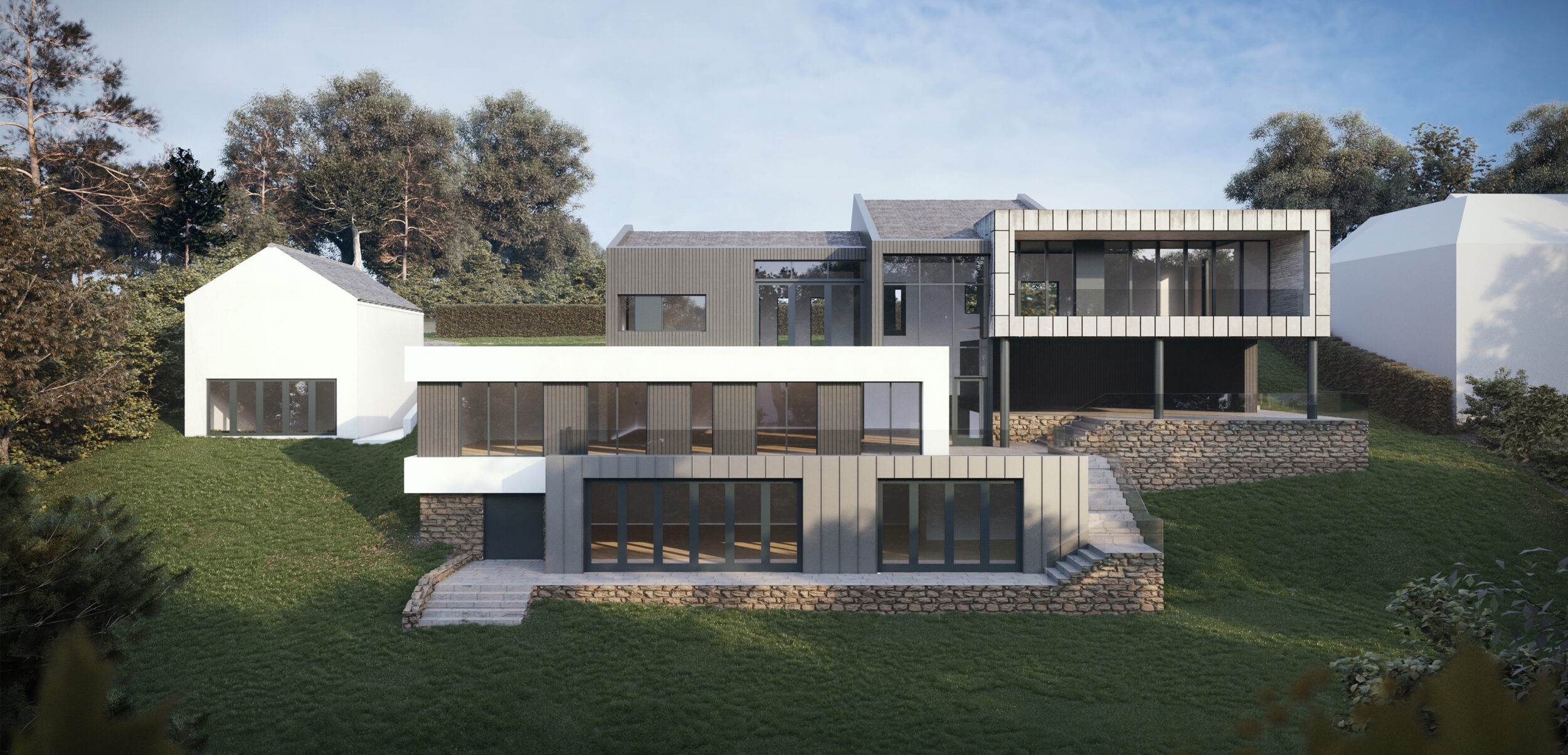
Sustainable design begins with decisions about the building itself. Its orientation, layout, fabric and materials influence how it feels to occupy and how much energy it needs. Technology has a role, but it is most effective when it supports a coherent design.
Work with the site
Understanding sunlight, prevailing weather and neighbouring buildings helps shape a useful starting point. Windows can bring welcome daylight and winter warmth, but large areas of glass also need consideration of summer overheating and glare.
Shading, opening positions and the arrangement of rooms should be explored together. The aim is not the maximum amount of glazing, but light that suits the activities taking place inside.
Prioritise the building fabric
Insulation, airtightness and careful junction detailing contribute to a comfortable interior. Ventilation needs to be designed alongside these measures, rather than added as an afterthought. The appropriate solution depends on the building, its use and the proposed work.
For an existing property, a coordinated retrofit plan can help make improvements in a sensible sequence. Changes should account for moisture behaviour and the condition of the original construction.
Make material choices deliberately
Materials carry environmental impacts beyond their day-to-day performance. Consider what can be retained, how long new elements are likely to last and whether they can be repaired. A durable finish suited to its exposure may be a better long-term choice than one selected for appearance alone.
Comparing options requires context: sourcing, maintenance, construction methods and available environmental product information all matter. No single material is the right answer for every project.
Design for a useful life
Adaptable spaces can help a building remain useful as needs change. A room that can accommodate working from home, guests or later-life living offers flexibility without necessarily increasing the footprint.
A considered approach brings these decisions together early, with comfort and longevity at its centre. Sustainability is not one feature added at the end; it is part of how the project is planned, detailed and used.